Videos
-
 Breakthroughs in Aging Research | Dr. Eric Verdin, 2024 Longevity Summit | Aviv Clinics
 -
Eric Verdin - NAD+ metabolism as a link between senescence and metabolic impairment during aging
-
Atypical Senescence in Long-Lived T-Cells – Eric Verdin at Longevity Summit Dublin 2023
-
Dr. Eric Verdin at DOC 2024


Learn More About Eric Verdin
With rising healthcare costs, an aging workforce, rapid advances in artificial intelligence, and growing pressure to help people live not just longer but better, senior leaders face a new strategic challenge: how to prepare their organizations for a world in which longevity will reshape healthcare, talent, productivity, and the economy. Eric Verdin helps organizations do exactly that. He gives leaders a practical and scientifically grounded framework for understanding what is changing, what it means for their business, and how they can respond.
Eric Verdin, MD, is President and CEO of the Buck Institute for Research on Aging, the world’s first independent research institute devoted exclusively to extending human healthspan. One of the leading scientists in the field of aging and longevity, Verdin has spent more than three decades studying the biological mechanisms that determine why people age, and, increasingly, what can be done about it. His work has helped shape some of the most important advances in metabolism, epigenetics, inflammation, and the emerging science of healthy aging.
For executive audiences, Verdin’s central message is both urgent and optimistic: longevity is no longer simply a healthcare issue. It is becoming a leadership issue, a workforce issue, and a business issue. The organizations that understand the implications of longer lives, healthier employees, predictive medicine, and AI-driven healthcare will be better positioned to compete, innovate, and plan for the future.
Turning Longevity From a Healthcare Problem Into a Business Opportunity
Most organizations still think about aging in outdated terms: longer lives mean higher healthcare costs, greater strain on benefits systems, and an older workforce. Verdin challenges that assumption. Drawing on the latest research from the Buck Institute and his own pioneering work, he argues that the next frontier is not extending lifespan, but extending healthspan, the number of years people remain healthy, productive, and fully engaged.
That distinction has profound implications for business leaders. Companies are already facing the consequences of burnout, chronic disease, rising healthcare expenses, and talent shortages. At the same time, employees are living and working longer. Verdin shows leaders why traditional approaches to employee health are no longer enough and why the future will require a shift toward prevention, resilience, and personalized care.
His research demonstrates that many of the diseases and costs associated with aging are not inevitable. Instead, they are driven by underlying biological processes, including inflammation, metabolic dysfunction, and cellular decline, that can increasingly be measured, delayed, and in some cases reversed. Verdin explains these ideas in clear, strategic language, translating complex science into practical implications for executive teams.
After hearing Verdin, leaders understand how longer, healthier lives will reshape workforce planning, benefits design, talent retention, and long-term strategy. More importantly, they leave with a new way of thinking about longevity: not as a demographic challenge to manage, but as a competitive opportunity to seize.
Building a Preventive, Data-Driven Model of Health
Healthcare is shifting from a reactive system that treats disease after it appears to a predictive and preventive model built around data, biomarkers, and continuous monitoring. Verdin has been at the forefront of that transformation.
Under his leadership, the Buck Institute has expanded its work on biomarkers of aging, precision medicine, and individualized health strategies. Verdin is one of the most influential voices arguing that chronological age tells leaders very little. What matters instead is biological age, the condition of a person’s cells, metabolism, immune system, and overall resilience.
In his presentations, Verdin explains how emerging technologies can now measure those factors with unprecedented accuracy. Advances in blood-based biomarkers, wearable devices, epigenetic testing, and AI-driven analytics are giving organizations and healthcare systems a much clearer picture of risk, performance, and future health outcomes.
For business leaders, the implications are enormous. Employers can move beyond generic wellness programs toward more personalized and effective approaches. Healthcare organizations can intervene earlier and lower long-term costs. Insurers, financial services firms, and investors can better understand the future of longevity-related markets. And every organization can begin preparing for a world in which health data becomes as strategically important as financial data.
Verdin is especially valuable to executive audiences because he does not simply describe the science. He explains what leaders should do with it. He offers a practical framework for how organizations can think differently about workforce health, productivity, and risk. He shows how the same technologies transforming healthcare will also change the way leaders think about planning, performance, and human potential.
Why Most Organizations Are Unprepared for the Longevity Revolution
The science of aging is advancing far more quickly than most organizations realize. In the next decade, breakthroughs in artificial intelligence, biotechnology, diagnostics, and precision medicine are likely to transform the way diseases are prevented and treated. Verdin believes these changes will be as disruptive as the digital revolution, and many organizations are not ready.
His own work has helped drive that transformation. Verdin is widely recognized for groundbreaking research showing that ketone bodies are not simply a source of energy but powerful signaling molecules that influence inflammation, metabolism, and the aging process itself. His studies on fasting, mitochondrial function, and immune aging have helped reshape how scientists and physicians think about chronic disease and healthy longevity.
At the same time, he has become one of the field’s most effective interpreters for non-scientific audiences. He regularly speaks with CEOs, investors, policymakers, and corporate leaders about the practical implications of these advances. He has appeared at major gatherings including TEDMED, the Milken Institute, Aspen Ideas, HLTH, and Fortune Brainstorm Health, and his work has been featured in The New York Times, The Wall Street Journal, Fortune, CNBC, Scientific American, Nature, and Science.
Verdin’s perspective is especially relevant now because the longevity revolution intersects with so many of the issues leaders are already confronting. Artificial intelligence is accelerating medical discovery. Demographic change is reshaping labor markets. Rising healthcare costs are affecting every organization’s bottom line. And employees increasingly expect employers to support not just short-term wellness, but long-term health and vitality.
Verdin helps leaders connect those dots. He explains why the organizations that thrive in the next decade will be those that prepare now, by rethinking workforce strategy, investing in prevention, understanding the implications of AI and biotechnology, and recognizing that healthier, longer lives will change the way companies operate.
Eric Verdin is particularly valuable for organizations navigating healthcare transformation, future-of-work challenges, leadership development, innovation, and long-range planning. Whether speaking to senior executives, healthcare leaders, investors, or cross-functional leadership teams, he gives audiences something increasingly rare: a clear, evidence-based understanding of one of the biggest strategic shifts of our time, and practical guidance for how to lead through it.
###
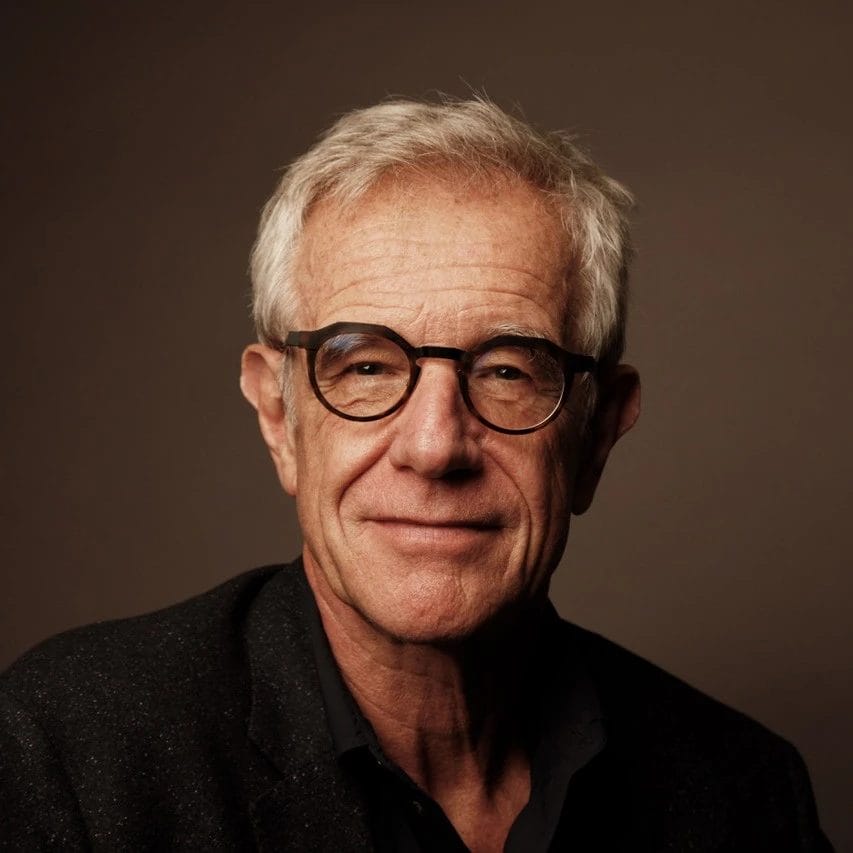
Eric Verdin, MD, is one of the world’s leading experts on the science of aging and longevity. He serves as President and CEO of the Buck Institute for Research on Aging, the world’s first independent research institute devoted exclusively to extending human health span. A physician-scientist with more than three decades of experience, Verdin is widely recognized for his work on metabolism, epigenetics, inflammation, immune aging, and the biological mechanisms that determine how and why we age.
At the Buck Institute, Verdin leads the organization’s research and strategic initiatives in biomarkers of aging, precision medicine, women’s health, and preventive healthcare. He also serves as a professor and advisor to biotechnology and longevity companies focused on diagnostics, metabolism, and healthy aging. Before joining the Buck Institute, he was a senior investigator and associate director at the Gladstone Institutes, chief of the Division of Experimental Medicine at the University of California, San Francisco, and a professor of medicine at UCSF.
Verdin’s work explores the connection between aging, metabolism, diet, and disease. He is particularly known for pioneering research showing that ketone bodies are not simply a source of energy, but also powerful signaling molecules that influence inflammation, gene expression, and longevity. His research has helped shape the modern understanding of fasting, mitochondrial function, biological age, and the role of inflammation in age-related disease. He frequently speaks and advises on longevity, healthspan, precision health, biomarkers of aging, artificial intelligence in medicine, and the future of healthcare.
His scientific publications have appeared in leading journals including Cell, Science, Nature Medicine, Cell Metabolism, and Nature Reviews Molecular Cell Biology. His work has also been featured in The New York Times, The Wall Street Journal, Fortune, Forbes, Scientific American, CNBC, and Time. Verdin has appeared on major podcasts and media platforms including TEDMED, The Peter Attia Drive, Rich Roll, and FoundMyFitness, where he translates complex science into practical insights for executives, healthcare leaders, and general audiences.
A sought-after keynote speaker and advisor, Verdin speaks to healthcare organizations, biotechnology companies, Fortune 100 leadership teams, investors, and global conferences on how advances in longevity science will reshape healthcare, work, and society. He is an elected member of the National Academy of Medicine and is especially valued for his ability to connect rigorous scientific research with practical implications for leadership, workforce strategy, innovation, and long-term planning.
Verdin earned his medical degree from the University of Liège in Belgium before completing advanced research training in the United States.
Eric Verdin is available to advise your organization via virtual and in-person consulting meetings, interactive workshops and customized keynotes through the exclusive representation of Stern Speakers & Advisors, a division of Stern Strategy Group®.