Videos
-
 Natasha Sarin on the weakening labor market and rising gas prices
 -
Natasha Sarin on the Supreme Court tariff decision
-
Trump vs. the U.S. Economy | The Ezra Klein Show
-
What's next for consumers and the economy after the Supreme Court's tariff ruling
-
Natasha Sarin on Inflation and Tariffs
-
Natasha Sarin: Investments in the IRS and What They Mean for American Taxpayers
-
Natasha Sarin on trust in economic statistics
-
Natasha Sarin the highest tariffs in a century
-
Natasha Sarin on the Federal Budget
-
Natasha Sarin on Aluminum, Copper, and Steel Tariffs
-
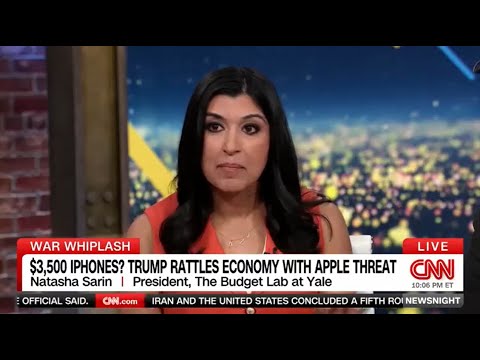
Natasha Sarin on Tariffs, Price Increases, and iPhone Production
-
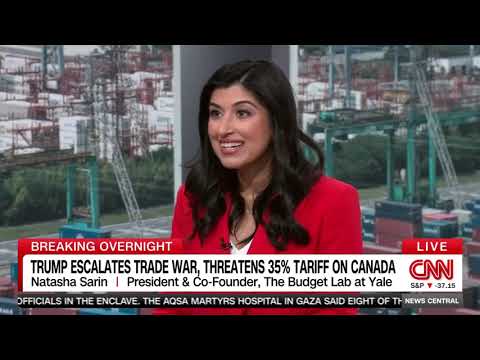
Natasha Sarin on tariff escalation and uncertainty
-
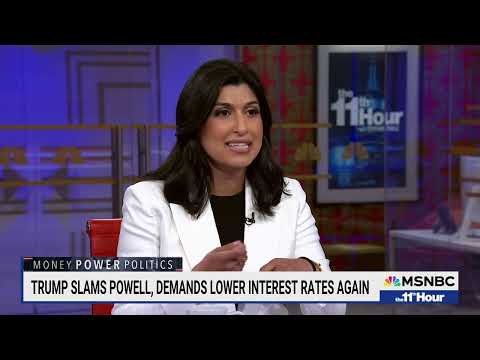
Natasha Sarin on Federal Reserve Independence
-
Natasha Sarin on the Politicization of the Federal Reserve
-
Natasha Sarin on ways to reduce wealth inequality through tax policy
-
Data says inflation would be coming down if not for trade war escalation, says Yale's Natasha Sarin
-
Natasha Sarin on the cost of US-China tariffs
-
Natasha Sarin on the economic fallout of tariff policy changes
-
Natasha Sarin on Inflation and Tariffs
-
President-elect Trump's second term: What's ahead for the American economy
-
Yale's Natasha Sarin on Trump vs. Harris' tax policies: One is fiscally responsible, the other isn't
-
Natasha Sarin on the Budget Lab at Yale


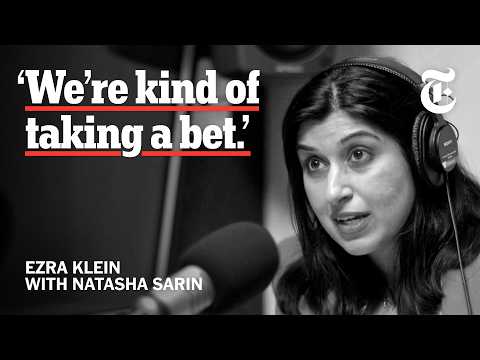

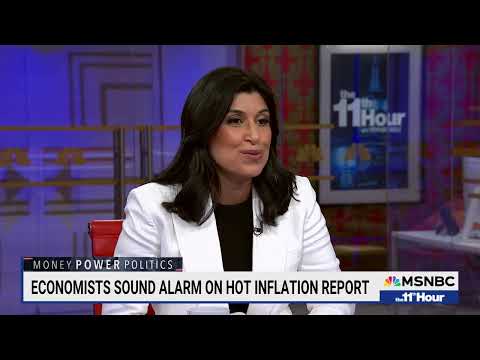


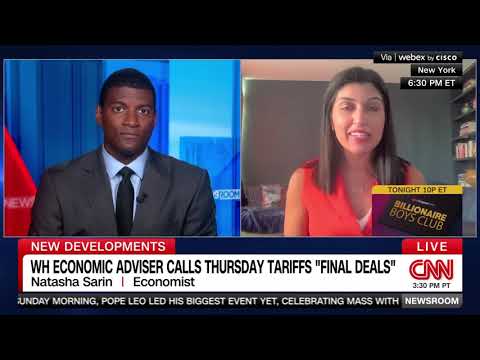
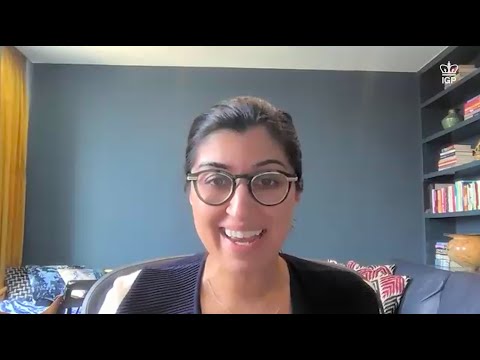
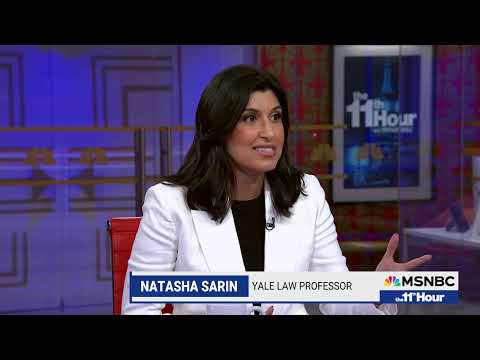

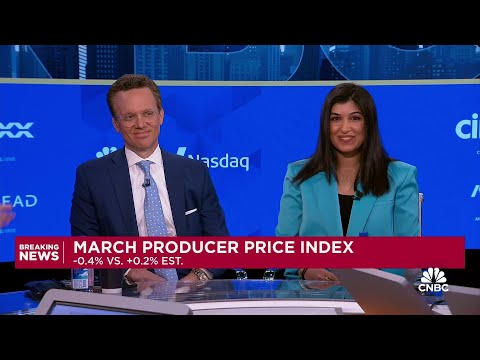
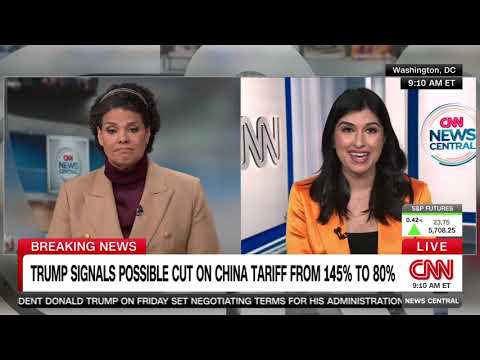
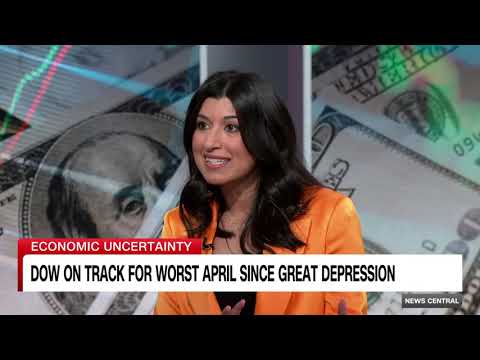
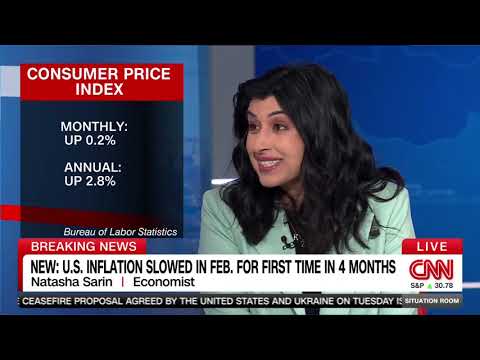


Learn More About Natasha Sarin
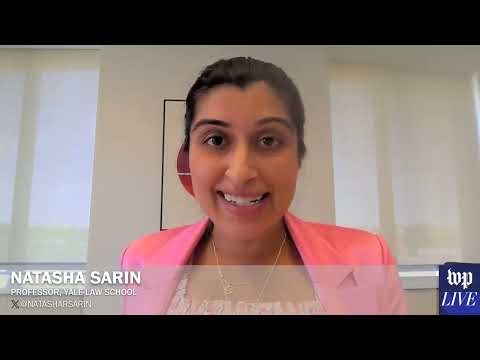
Natasha Sarin, J.D., Ph.D., is a professor of Law at Yale Law School with a secondary appointment at the Yale School of Management in the finance department. She is also the president and co-founder of the Budget Lab at Yale.
Previously, Sarin served as deputy assistant secretary for economic policy and later as a counselor to Treasury Secretary Janet Yellen at the United States Treasury Department. Her work focused on narrowing the gap between the taxes owed by the American public and those collected by the Internal Revenue Service.
Prior to her government service, Sarin was a professor at the University of Pennsylvania Carey Law School and the Wharton School. Her research centers on public finance and financial regulation, with work on tax policy, household finance, insurance and macroprudential risk management. Her scholarship has been covered in The New York Times, The Washington Post, and the Financial Times, among other publications. She is a Washington Post contributing columnist and a frequent guest on CNBC Squawk Box.
Sarin received a bachelor of arts from Yale University in 2011 and was awarded a J.D. from Harvard Law School in 2014 and a Ph.D. from Harvard University in 2019.
Natasha Sarin is available to advise your organization via virtual and in-person consulting meetings, interactive workshops and customized keynotes through the exclusive representation of Stern Speakers & Advisors, a division of Stern Strategy Group®.
AI, Regulation and the Future of Economic Growth
Artificial intelligence is quickly becoming one of the most powerful engines of economic growth, but the rules governing it have not kept pace. Even amid trade disruption and political volatility, AI investment has surged, with capital expenditures estimated to reach 2% of U.S. GDP in 2025, up from virtually zero just a few years ago. This unprecedented growth has enormous implications for productivity, labor markets and long-term competitiveness. But, while AI has not yet produced major labor-market disruption, according to Natasha Sarin, Yale professor and co-founder of the Budget Lab at Yale, businesses and governments cannot afford to be complacent. As her cutting-edge research at the Budget Lab shows, while businesses and policymakers may not have yet seen significant changes due to tech, they should be preparing for the technology to become more widely adopted in the economy. Sarin explains why today’s regulatory choices will shape economic outcomes for decades to come and what’s at risk if policy fails to evolve alongside technology. Attendees leave with a clear outline for anticipating regulatory shifts, assessing second-order risks, and aligning talent and investment strategies with the realities of an AI-driven economy.
Tariffs, Budgets and the Next Economic Era
Tariffs may end up being the most significant middle-class tax increase in U.S. history, raising prices on everything from clothing to electronics. They are reshaping the economic landscape in ways that are difficult to undo. As the leading non-partisan source on tariff data, Yale professor Natasha Sarin shows how these policies are simultaneously a drag on households while becoming a critical revenue stream for government. She unpacks the constitutional, fiscal and business implications of a $3 trillion revenue shift, explains why retaliation has been muted and explores how companies should plan for a future in which tariffs are likely here to stay. Attendees leave with practical insights into how tariff policy impacts sectors, households and markets, as well as tools to better navigate investment, pricing and strategic planning in a volatile fiscal environment.
The Labor Market at an Inflection Point
The U.S. labor market is slowing, with hiring stalled across most industries outside of healthcare and education. At the same time, flexible work arrangements and AI-driven productivity gains are redefining what work looks like. Natasha Sarin, a Yale professor who has studied structural joblessness for more than a decade, explains how organizations can understand and adapt to key shifts, from stagflationary pressures to the changing role of women and care in the workforce. She shares real-time insights from the Budget Lab at Yale, which she co-founded, on how AI adoption is affecting labor dynamics and what skills and roles will be most critical in the next wave of economic activity. Attendees gain data-driven tools to anticipate workforce shifts, make smarter hiring and training decisions and prepare their organizations to thrive amid uncertainty.
Additional speech topics Natasha can customize to your needs include but are not limited to:
- Tariffs
- AI Impacts on Market Labor
- Inflation
- Market Reaction to White House Policies
- Fiscal Sustainability and Deficits
- Tax Reform
- IRS and Tax Administration
- Federal Reserve Independence
- Antitrust
- Future of Trade Policy
Contact us to learn more.