The AI & Society Dream Team: The Experts Helping Leaders Navigate Trust, Technology and Human Behavior
Sinan Aral, Sherry Turkle, Amy Gallo and more explore how AI is reshaping trust, work and human connection.
Meg Virag | March 11, 2026
Sinan Aral, Sherry Turkle, Amy Gallo and more explore how AI is reshaping trust, work and human connection.
Meg Virag | March 11, 2026
Throughout history, we’ve seen many tales of how our society grew and adapted to new tools. From the first stone hammers to the printing press, from AI agents negotiating transactions to algorithms shaping the information we see, technology rapidly transforms how people work, communicate, trust institutions and make decisions.
For leaders, the challenge has become understanding how AI affects human behavior and relationships while designing organizations that thrive in this new environment.
Below is an AI & Society Dream Team featuring several leading thinkers, exclusively represented by Stern Strategy Group, who are helping organizations navigate the human side of AI. Their renowned keynotes, advisory work and interactive workshops translate complex technological shifts into practical strategies for organizations.

Agentic AI and the Future of Digital Markets
MIT Sloan School of Management professor Sinan Aral helps leaders build strategies that maximize productivity gains while managing risks around data quality, trust and accountability. His research on agentic AI, or the autonomous systems that can reason, act and transact on behalf of humans, highlights both the enormous economic potential and the governance challenges organizations must address to capture value safely.

Understanding Technology’s Impact on Human Relationships
MIT professor Sherry Turkle has spent decades studying how technology changes the way people communicate, empathize and form relationships. Her work helps organizations recognize the subtle but powerful ways digital tools reshape human connection.

Designing AI That Works for Society
As director of the Center for Humans and Machines at the Max Planck Institute for Human Development, Iyad Rahwan studies how AI systems influence society and collective decision-making. His work helps organizations ensure that AI technologies support human values and democratic systems rather than undermine them.
Helping Leaders Manage AI’s Emotional Impact
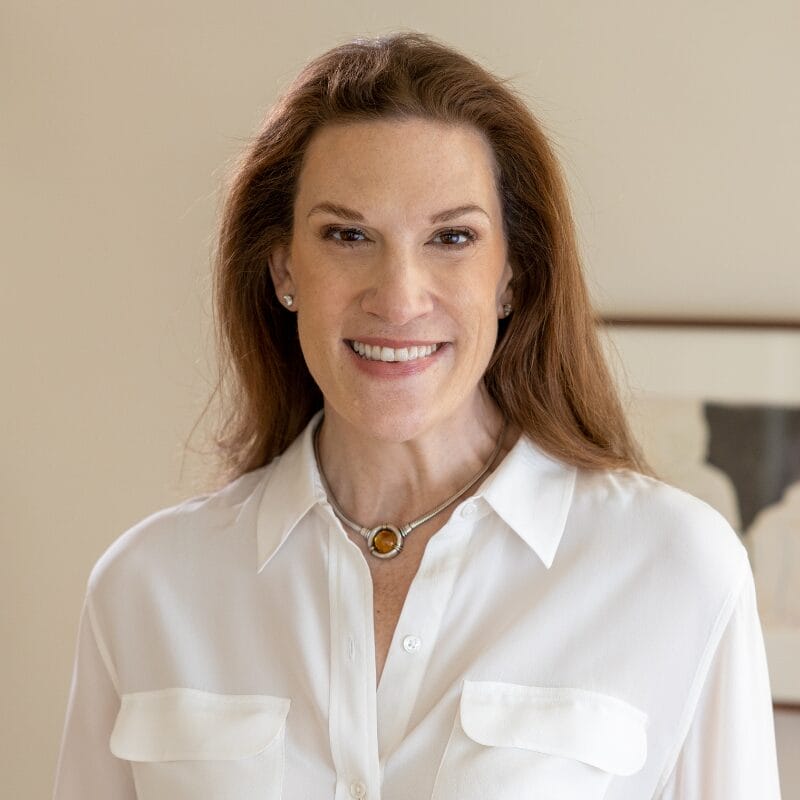
The rise of AI is producing excitement, but it’s also driving anxiety for many. Leadership expert Morra Aarons-Mele helps organizations understand the psychological impact of rapid technological change. Her research shows how leaders can build emotional resilience, psychological safety and trust during periods of intense disruption.

Governing Technology in a Digital World
Harvard Law School professor Jonathan Zittrain examines how societies can govern powerful technologies while preserving civic values, open systems and innovation. Hailed as a top-tier speaker and advisor, he explores what will happen next from a “bottomless wellspring of sustained, companionable conversation” and helps forge practical strategies for mitigating the many risks and uncertainties.

Ensuring Disciplined Strategic Tech Integration
As artificial intelligence reshapes global markets and public institutions, Harvard Law School professor Paola Cecchi-Dimeglio helps organizations undertake disciplined strategic integration. Doing so, she explains, ensures that data, governance systems, operating models and leadership decisions are aligned with competitive positioning, capital performance, regulatory frameworks and sustained enterprise value creation.

The Business Case for Trust
Harvard Business School professor Sandra Sucher studies how companies earn – and lose – trust. Her work helps leaders design strategies that strengthen credibility with employees, customers and society at a time when AI is testing institutional trust.
Centering Human Relationships at AI-Driven Workplaces
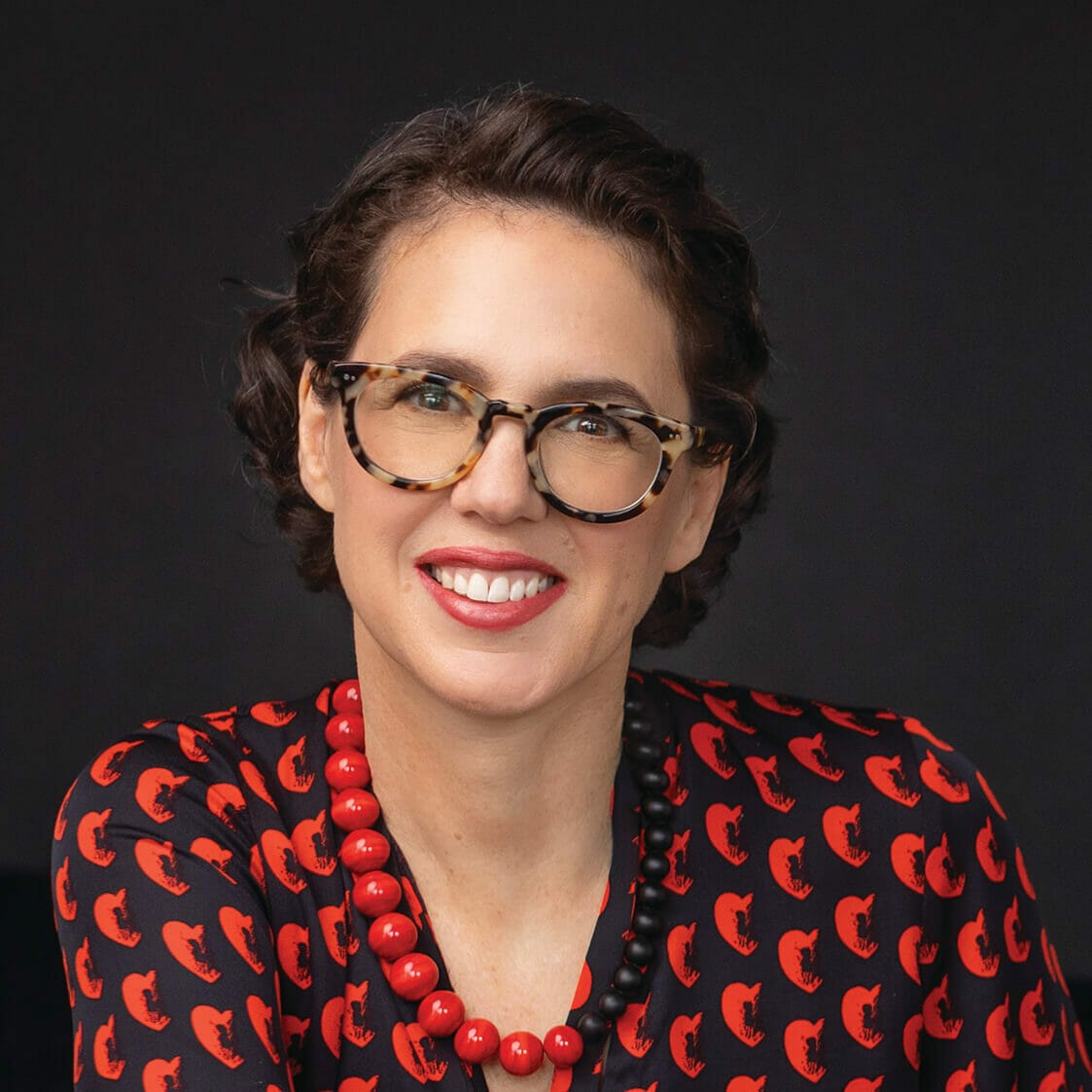
As AI mediates more communication, leaders risk trading connection for efficiency. Workplace dynamics expert Amy Gallo shows how organizations can use technology without eroding the human interactions that build trust, performance and collaboration.
The Human Skills AI Can’t Replace
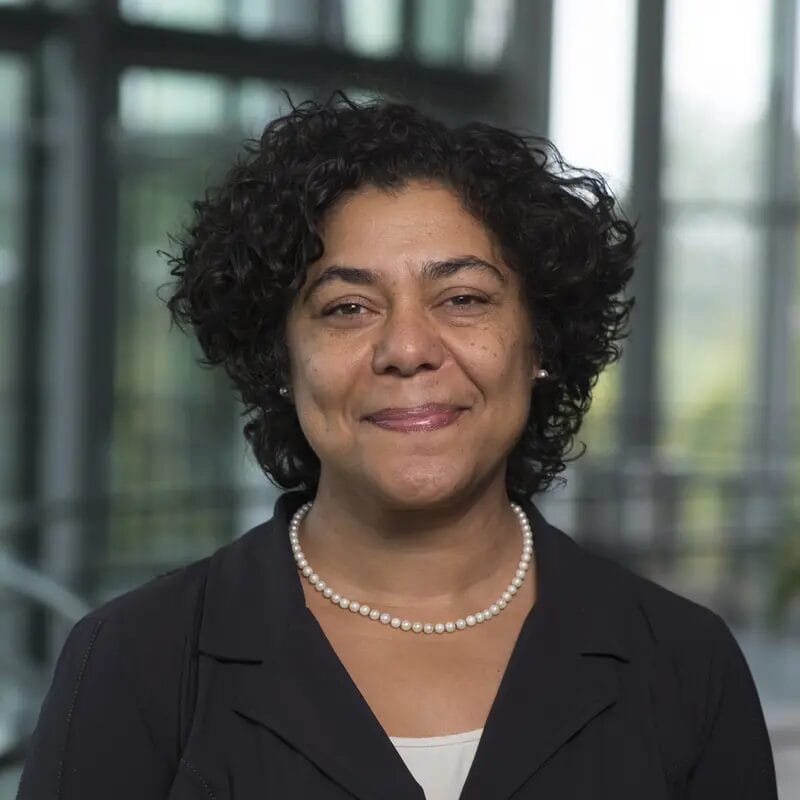
As AI automates more tasks, uniquely human skills like communication, feedback, adaptability and resilience are becoming even more valuable. Yale School of Management professor Heidi Brooks helps leaders build cultures that strengthen these durable capabilities. She’ll dig into this further at her SXSW panel, “What AI Can’t Replace: People Skills in a Changing World.”

The Future of Work in the Age of AI
AI is often seen as a threat to human jobs. But according to renowned roboticist and AI expert Ayanna Howard, dean of the College of Engineering at The Ohio State University, this pessimistic vision is severely misguided. Howard teaches companies how to strategically adopt and leverage AI in ways that keep people connected, productive and innovative.
When organizations adopt transformative technologies like AI, they must also understand the human behaviors, institutional dynamics and leadership challenges that will determine whether those technologies ultimately help them succeed. Stern Strategy Group connects you with renowned thought leaders whose insights, strategies and management frameworks help organizations fuel growth and disruptive innovation to better compete in a constantly changing world. Let us arrange for these esteemed experts to advise your organization via virtual and in-person consulting sessions, workshops and keynotes.
