
Middle East Expertise: Top Analysts on Iran, China, Energy, AI and More
What happens in the Middle East affects every business. Our experts can help you strategize through global upheaval and energy shockwaves.
Meg Virag | March 4, 2026
What happens in the Middle East affects every business. Our experts can help you strategize through global upheaval and energy shockwaves.
Meg Virag | March 4, 2026
A recent analysis in Foreign Policy argues that the U.S.–Israeli strikes in the Middle East have implications for China’s regional foothold and access to Iranian oil markets. Some analysts see the U.S.-Israeli conflict in Iran as intersecting with broader strategic competition, including concerns about energy access and influence in the region.
As the world watches conflict shape important shipping routes like the Strait of Hormuz, with impacts to global oil supply and pricing, expert guidance has never been more essential.
Read on to discover some of the world’s top minds on the forces analyzing the Middle East and beyond, many of whom live and work in the region. Beyond keynotes and interactive presentations, many are also available to provide in-depth consultations, partner with executive teams or join advisory boards.
Daniel Yergin is an internationally recognized authority on energy and the global economy, as well as an exceptional speaker who guides leaders on adaptable strategy in an uncertain geopolitical landscape. The Pulitzer Prize-winning author of “The Prize: The Epic Quest for Oil, Money and Power,” vice chairman of S&P Global, and chairman of CERAWeek, his latest book, “The New Map: Energy, Climate, and the Clash of Nations,” addresses trends that are driving us into the future, such as the emerging risks and opportunities from shifting global power balances between governments and markets. Don’t miss his Financial Times article on the Iran crisis and watch the accompanying Bloomberg interview.
Meg Rithmire, Ph.D., (Harvard Business School) is a leading expert and award-winning authority on the reform and expansion of Chinese capitalism and its interaction with the rest of the world. Fluent in Mandarin, she offers leaders vital knowledge about the effects China’s intricate economy has on trade today and the multifaceted intertwining of politics, the economy and international affairs in the global market.
Rawi Abdelal, Ph.D. (Harvard Business School) is a leading authority on the global economy. Drawing on history, economics and real-time policy shifts, his informative and engaging keynotes shine a light on the current world economy, explain what lies ahead, and offer leaders and policymakers insights into how they can respond and adapt to the new landscape in order to sustain and drive growth. Whether advising leaders on how to manage uncertainty, the future of energy, or global supply chain issues, he illuminates the macro and micro forces driving current trends across the world.

Daniel Benaim is an esteemed foreign policy practitioner, strategic communicator and fellow at the Middle East Institute. His experience spans from the West Wing and Situation Room at the White House to the ministries, embassies, military bases, and palaces of the Arabian Gulf. A sought-after lecturer from the United Nations to NYU, he equips executives to anticipate how events like the Israel-Iran conflict or U.S. business and artificial intelligence dealmaking in the Gulf impact global competitiveness.

Dan Wang (Stanford) is a top-cited expert on geopolitics, China and its technology strategies. He sheds light on the US-China trade war, tech innovation races including China’s regulatory actions – policies on everything from semiconductors to TikTok – and how AI and clean technology cannot be grasped without understanding China. Dan’s New York Times bestselling book, “Breakneck: China’s Quest to Engineer the Future,” explores the contrast between the world’s two superpowers, America’s “lawyerly society” and China’s “engineering state.”
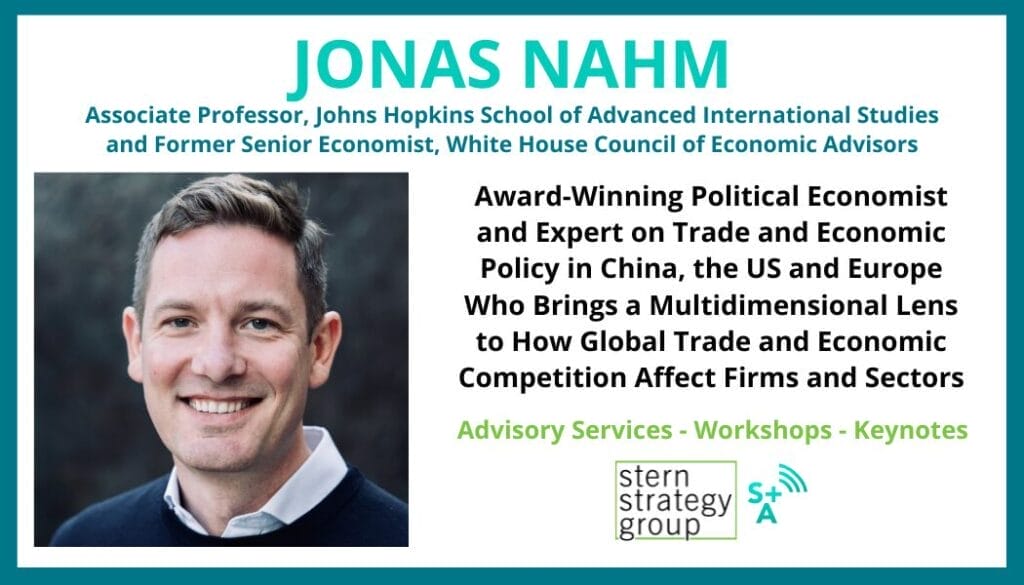
Jonas Nahm, Ph.D., Johns Hopkins School of Advanced International Studies professor and former White House Council of Economic Advisors senior economist, is a trusted guide for helping companies and governments worldwide navigate the complexities of global markets. As in his New York Times article, he recounts how China’s entry into the global marketplace has streamlined supply chains and lowered costs, while clarifying how firms should understand the Chinese government’s intervention into its economy.
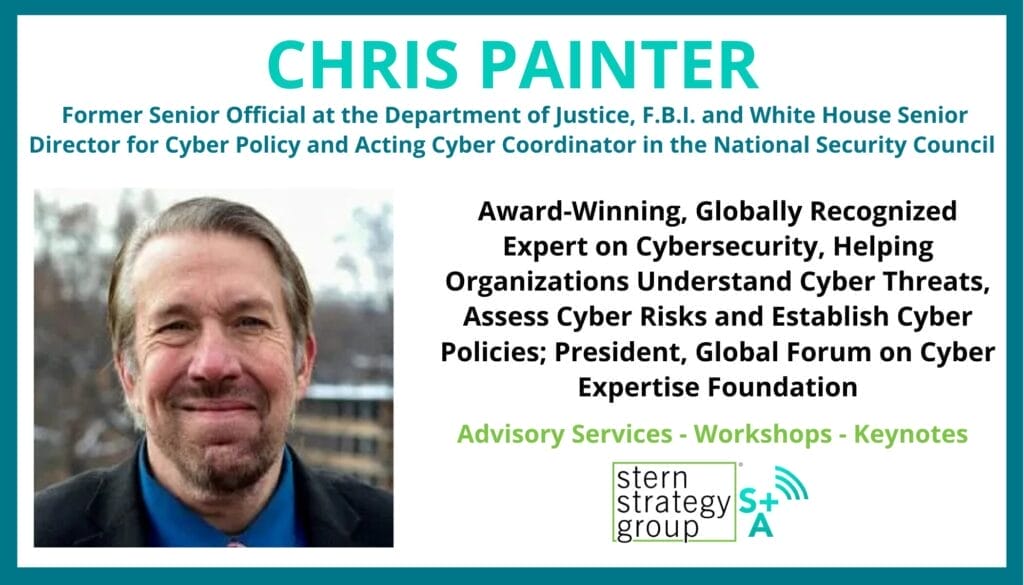
Multi-award-winning cybersecurity veteran and president of the Global Forum on Cyber Expertise Chris Painter helps organizations and individuals understand cyber risk, respond and prepare for cyberattacks, and establish cybersecurity policies. He is also an expert on the international aspects and geopolitical challenges of cyber threats – particularly nation state sponsored hackers from Russia, China, Iran and North Korea – and why organizations should be concerned.

Julian Gewirtz, Ph.D., (Harvard Kennedy School) the former Senior Director for China and Taiwan Affairs at the National Security Council, is one of today’s sharpest minds on geopolitical, economic and regional issues across the world. An expert on U.S. foreign policy, Chinese politics and the next chapter of U.S.-China economic competition who was named one of the “50 people shaping our society in 2025” (The Washington Post), he speaks and writes with rare clarity about how China’s leadership sees the world and what it means for corporate risk, regulation and opportunity across sectors.
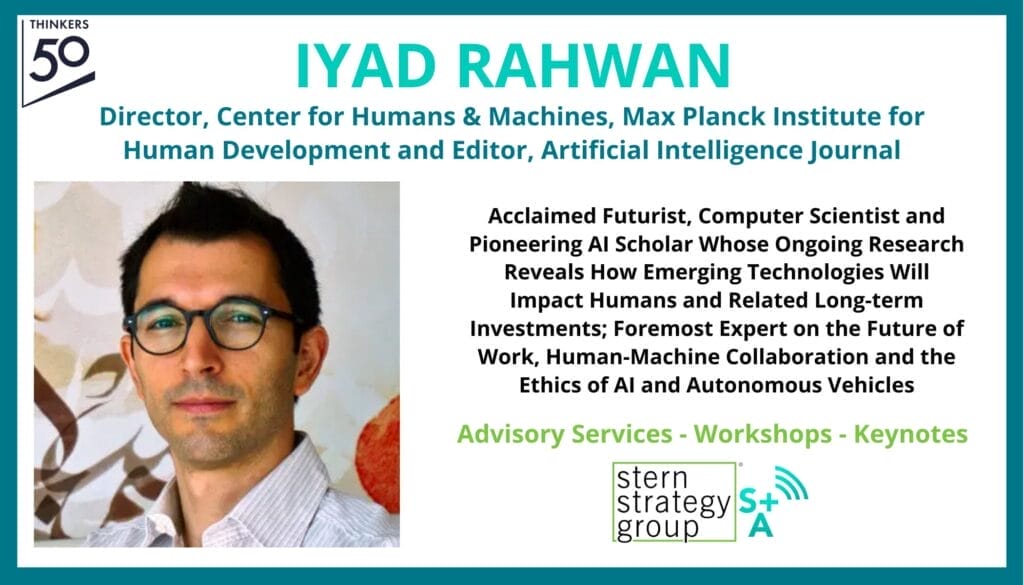
Iyad Rahwan, Ph.D. is director of the Max Planck Institute for Human Development in Berlin, and a former MIT professor. A pioneering AI scholar and global authority on human-machine collaboration, he is an expert on how AI is reshaping our economy and society. Often called an Anthropologist of AI, Iyad has been named a top AI visionary in the Arabic world for how he helps leaders improve investment decisions and society by understanding the future impact of technology on humans, including generative AI, social media, augmented reality (AR) and virtual reality (VR).
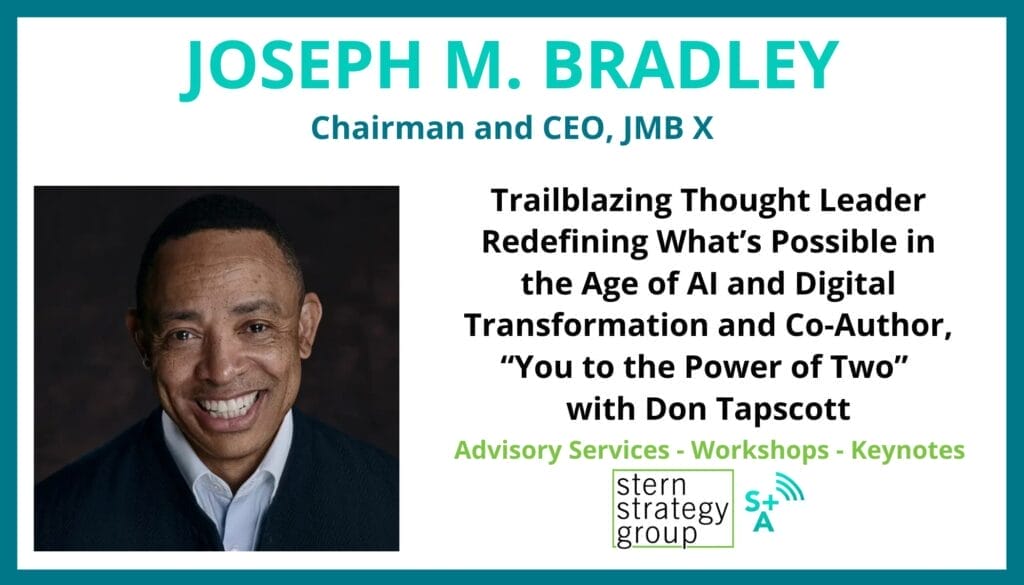
Joseph M. Bradley, chairman and CEO of JMB X, a cutting-edge technology company driving the next wave of AI-powered growth and human advancement, is a trailblazing thought leader who redefines what’s possible in the age of AI and digital transformation. With over 30 years of leadership experience in Silicon Valley and the Middle East, Joseph’s dynamic keynotes explore how AI is revolutionizing human identity, leadership, creativity and productivity, offering actionable insights and bold strategies for thriving in a rapidly changing world.

Mark Esposito, Ph.D., who splits his time between Boston, Geneva and Dubai, is a social scientist with appointments at Harvard Business School and Harvard University as well as the school’s Davis Center for Russian and Eurasian Studies, the Berkman Klein Center for Internet & Society and the Center for International Development. A multidisciplinary expert, Mark shows how to build an agile mindset and find incredible possibilities for the future, even in times of adversity and uncertainty.
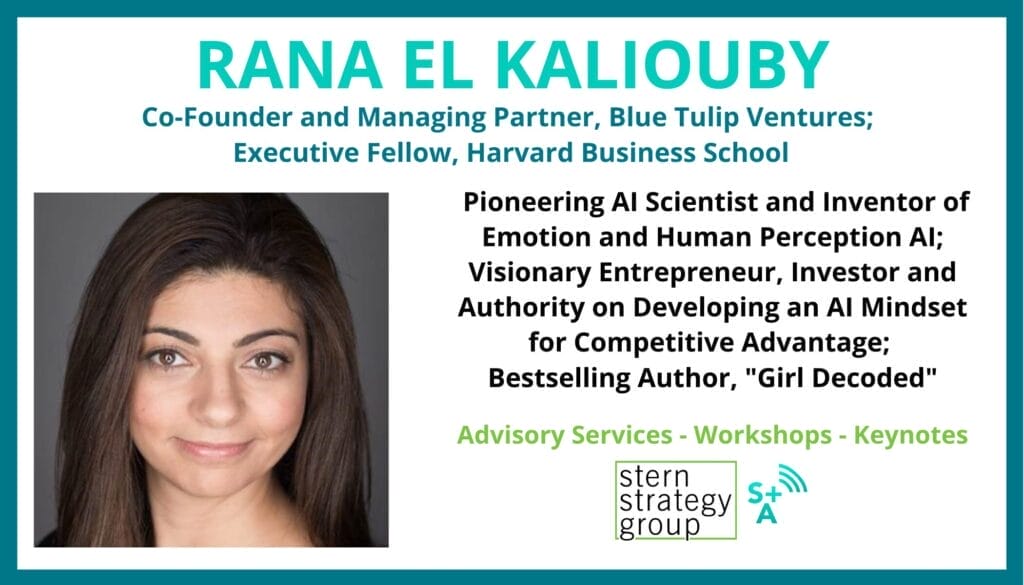
Rana el Kaliouby, Ph.D., Harvard Business School executive fellow and co-founder and managing partner at Blue Tulip Ventures, is an Egyptian American pioneering AI researcher and practitioner on a mission to humanize AI and tech before it dehumanizes us. With over two decades of experience in the AI field and a powerful personal story, Rana demonstrates how to develop an AI mindset that goes beyond automating tasks to increase innovation, accelerate decision-making and even generate top-line revenue growth. As an experienced AI investor, Rana is also in high demand to advise on tech investments, startups and build-or-buy scenarios.
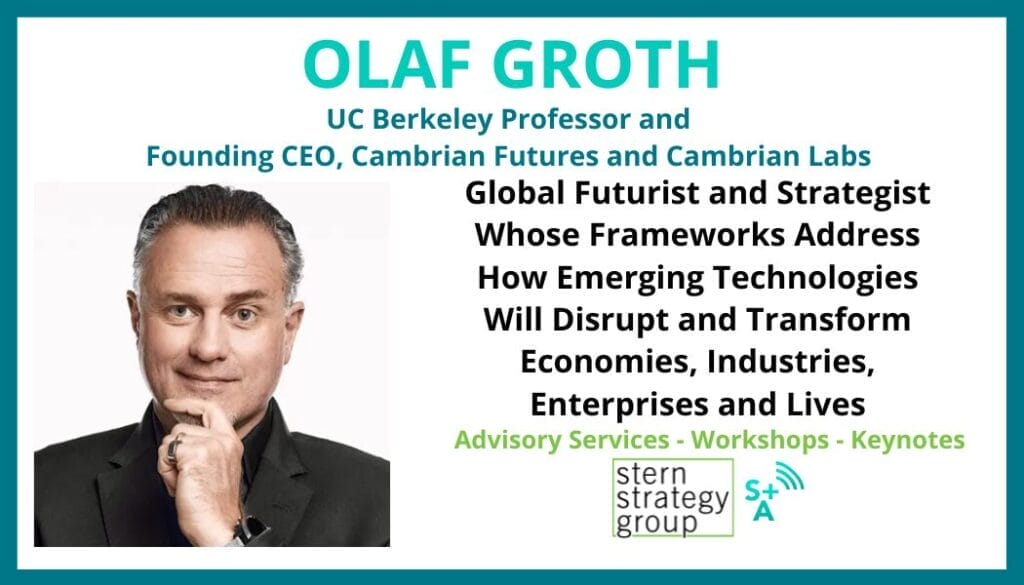
Olaf Groth, Ph.D., is a renowned global futurist and strategist who empowers leaders to harness the transformative power of emerging technologies on worldwide economies and businesses. With over three decades of experience advising governments and multinationals including Chevron, GE and Volkswagen and in the UAE, Saudi Arabia and Jordan, Olaf is a captivating and energizing speaker whose innovative frameworks guide companies through digital and geopolitical shifts while fostering responsible and strategic growth in crucial domains including AI and cybersecurity.
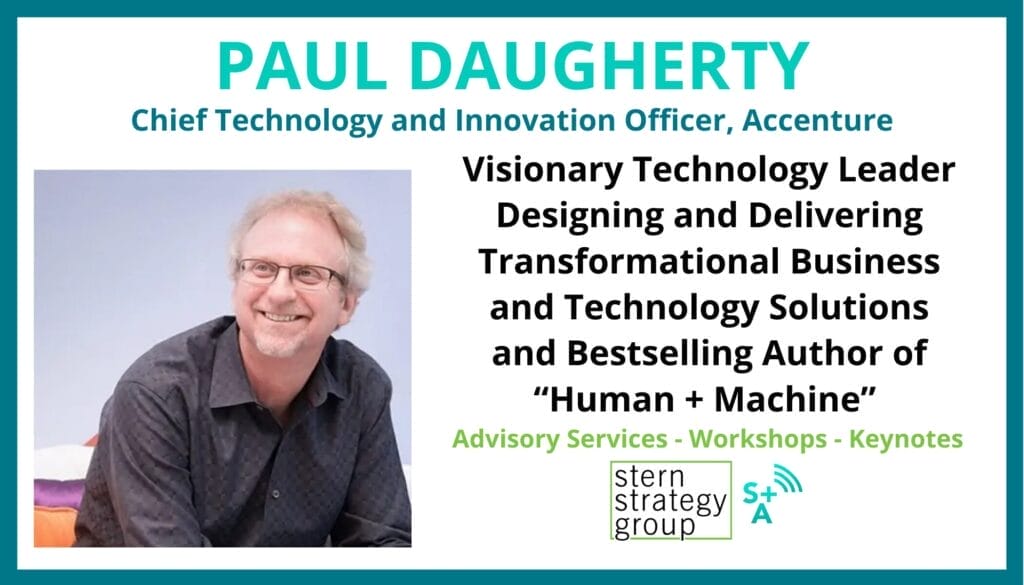
Paul Daugherty, recently retired from Accenture after nearly 40 years, was Accenture’s Chief Technology and Innovation Officer for over a decade, where he played a key role in the company’s own AI transformation to become a digital leader and enterprise global technology services firm. Actively sought out by boards, CEOs, and C-Suite leaders for his depth of experience, you’ll appreciate his approachable, down to earth demeanor as he explains the vocabulary, capabilities and use cases for agentic AI and autonomous AI systems.
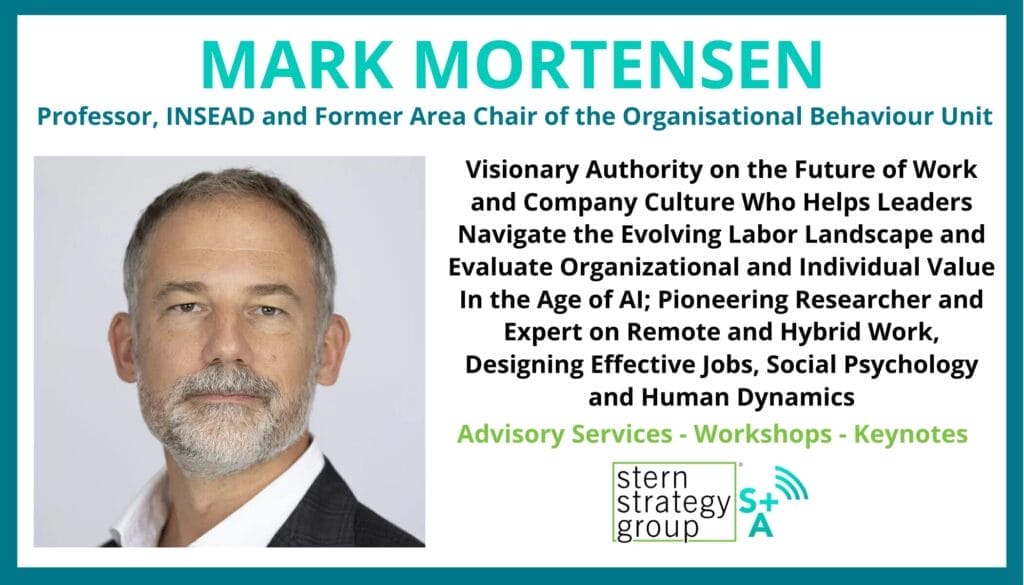
Mark Mortensen, Ph.D., is the newly appointed associate dean of INSEAD’s Middle East campus in Abu Dhabi and co-creator of the Integrated Employee Value Proposition (iEVP). An experienced executive educator, he helps leaders address challenges related to organizational design, company culture and human dynamics as workplaces experience more virtuality and teams often no longer inhabit a single office. Read his suggestions for helping leaders recalculate the costs and benefits of generative AI in his latest HBR article.
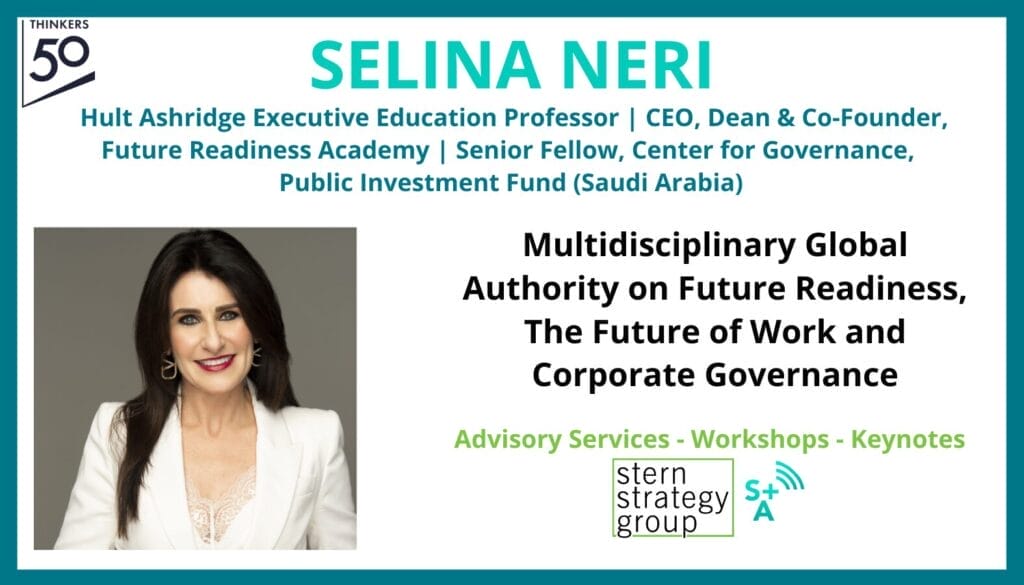
Selina Neri, Ph.D., is the CEO, Dean & co-founder of the Future Readiness Academy, a senior fellow of the Center for Governance (Public Investment Fund) and a Professor of Leadership and Corporate Governance at Hult Ashridge Executive Education. A multidisciplinary “corporate-academic” who also served as dean of Hult International Business School’s Dubai campus, Selina helps both professionals and young people become and remain future-ready, helping them shift mindsets, cultivate resilience and build skills to navigate the future with confidence and be relevant in the future of work.
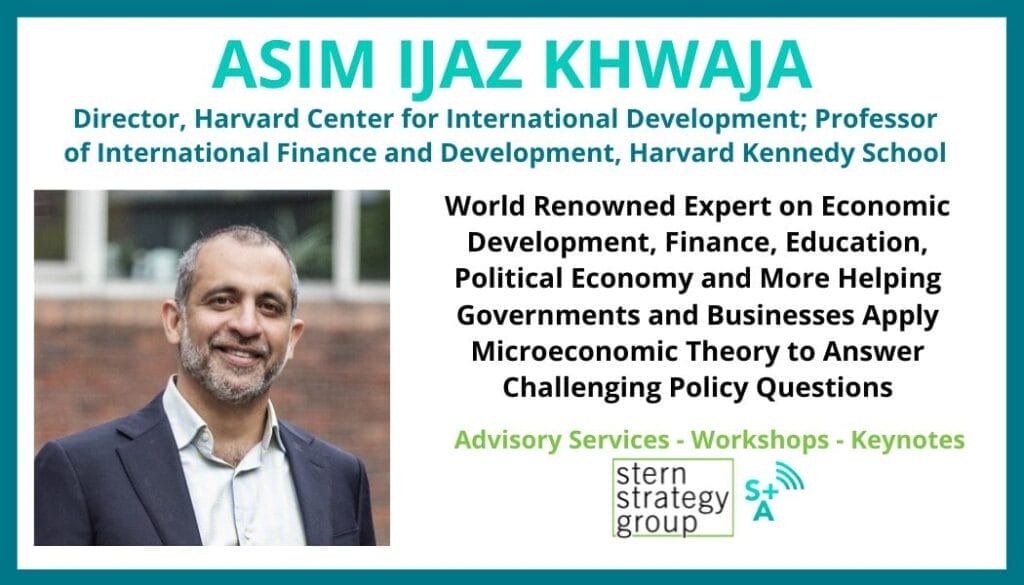
Asim Ijaz Khwaja, Ph.D., is the faculty director of the Harvard Center for International Development and a professor of international finance and development at the Harvard Kennedy School. Fluent in Punjabi and Urdu, he’s an expert on how governments and businesses can invest in people first and foremost. Asim is the co- founder of the Center for Economic Research in Pakistan, a leading think tank, and the Entrepreneurial Finance Lab, an award winning global FinTech that developed a psychometric approach to lending. Equipped with an international lens to working across borders and ideologies to build collaborative relationships, Asim helps leaders reinvent institutions to regain trust in the face of today’s evolving global challenges.
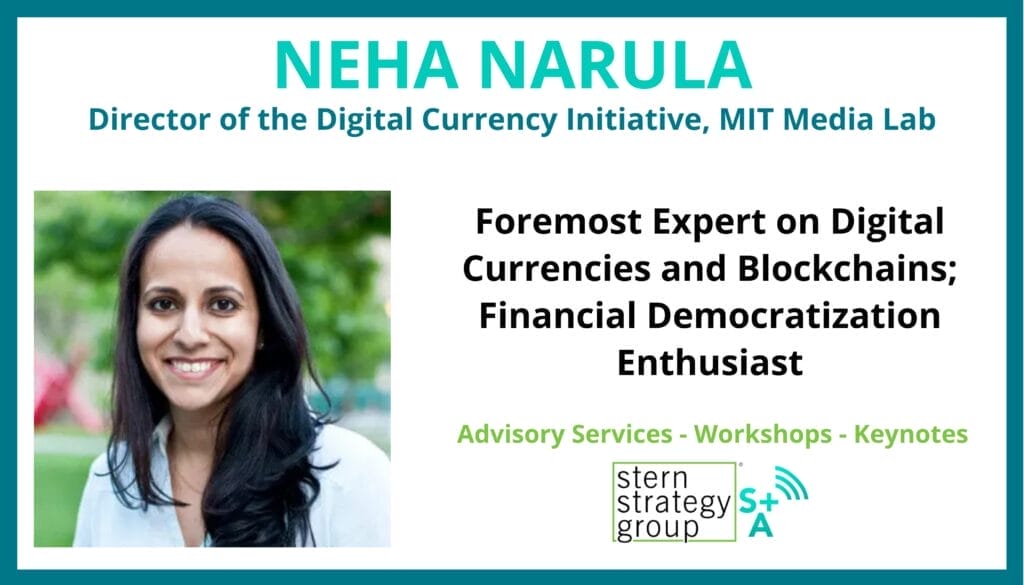
Neha Narula, Ph.D., is the director of the Digital Currency Initiative at the MIT Media Lab and a foremost authority on the impact of decentralized digital currencies, including Ethereum, Bitcoin and Solana, on the economy and business, especially in an era of shifting trust. Having collaborated extensively with the Bank of England and other major banks across the globe, Neha’s research has become a vital resource for central banks and financial institutions worldwide as they explore the potentials and challenges of national digital currencies, stablecoins and asset tokenization.
When leaders have expert guidance on important political and social issues affecting regions around the world, their organizations perform better both domestically and internationally. Stern Strategy Group connects you with renowned thought leaders whose insights, strategies and management frameworks help organizations fuel growth and disruptive innovation to better compete in a constantly changing world. Let us arrange for these esteemed experts to advise your organization via virtual and in-person consulting sessions, workshops and keynotes.
